Sanitation Is the
Hidden Bottleneck in Your Plant.
It quietly decides your audit results, your production capacity, and whether your brand survives a recall. Emera turns sanitation from a liability into an advantage for Australian food manufacturers in Melbourne and Sydney.
Trusted by Australia's favourite food brands


Why we do what we do
Three pressures. One partner.
We pride ourselves on having a deep understanding of the challenges facing the food and beverage industry in Australia. See what changes when sanitation stops being your problem.
-
Compliance
Audits are a fire drill.
- Failed audits
- Audit scramble
- Missing-doc liability
- Repeat audit fees
- Production disruption
-
Compliance With Emera
Audit-ready today and every day.
- First-time pass rate
- HACCP-aligned documented protocols
- Digital, timestamped verification
- “When would you like to come?”
Weeks → hours
-
Operational Efficiency
Cleaning eats your shifts.
- Lost production hours
- Staff burnout
- Higher labour cost
- Staff churn
- Missing SOPs
-
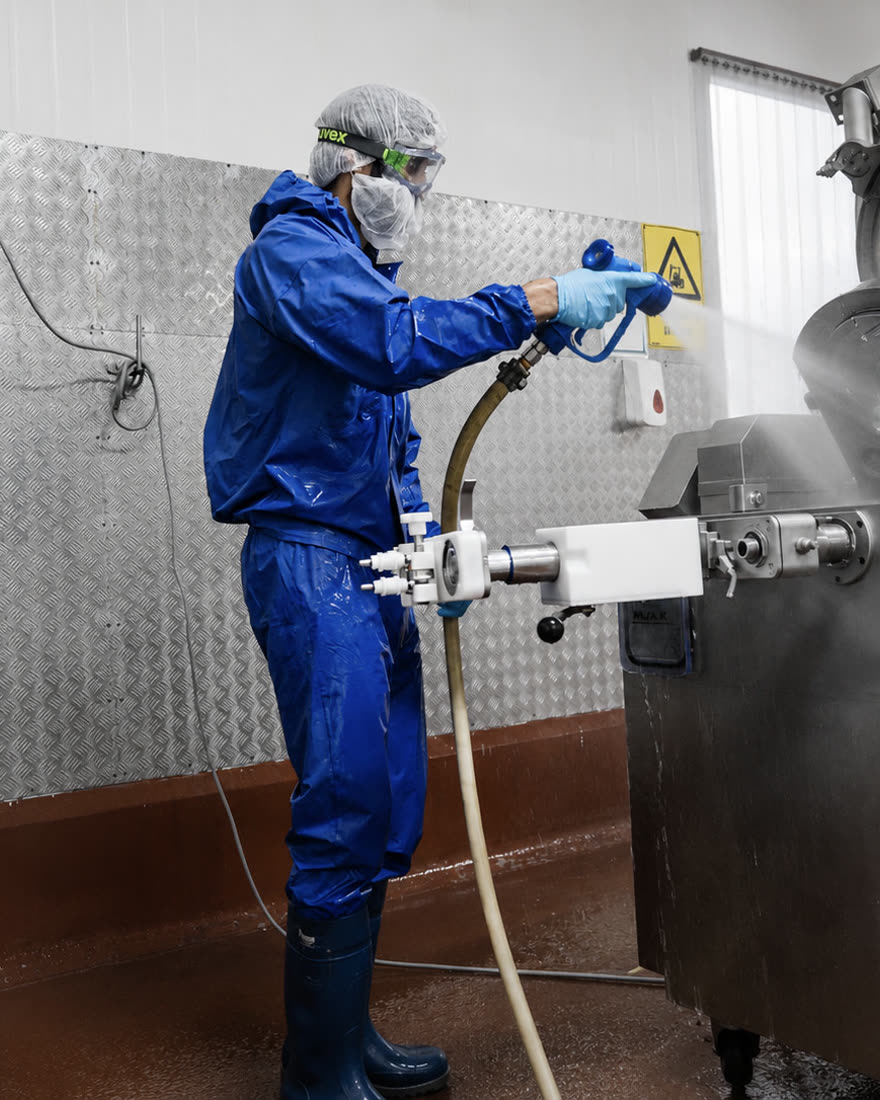
Operational Efficiency With Emera
Production starts on time, every time.
- ~20% capacity reclaimed
- Overnight cleaning around production
- Specialists, not your line staff
- Allergen changeovers handled
~20% capacity
-
Risk Mitigation
One recall can end the brand.
- Product recall
- Brand damage
- Legal liability
- Consumer loss
-
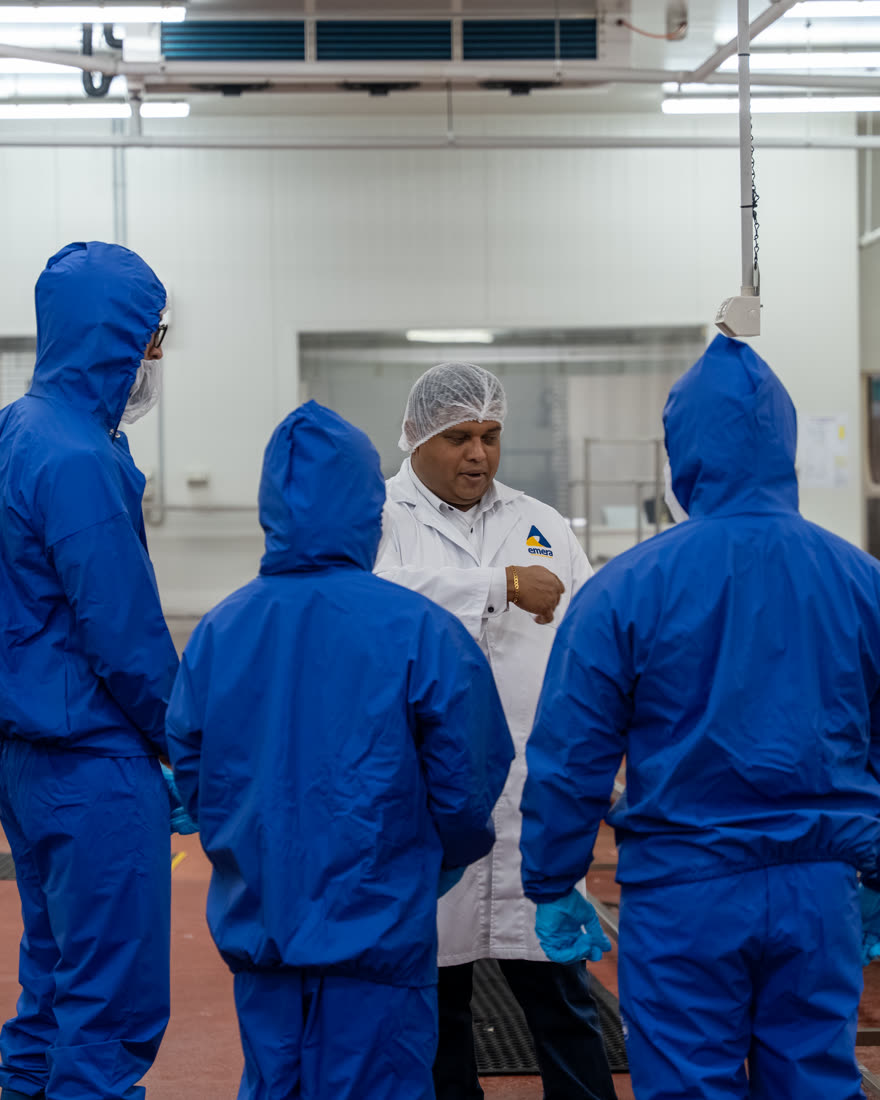
Risk Mitigation With Emera
Food-grade discipline, zero recalls.
- HACCP critical-control protocols
- Allergen zone management
- Full traceability
- Protected brand & continuity
Zero recalls


Our story
It started in a living room.
In 2020, with the country shut down due to COVID, two of us started Emera from a living room with a handful of clients and a lot of conviction. No office. No playbook. Just a stubborn belief that facility services could be run with far more care than the industry was showing.
Mushiki Dumplings.
Scaling Premium Food Manufacturing Without Safety Bottlenecks
Emera's systemised, proactive approach has been instrumental to our improved productivity gains. They've become an essential partner in maintaining our commitment to food safety and quality.
— Hayden Thatcher
Managing Director
The Challenge.
In-house cleaning inefficiencies were creating production bottlenecks and excessive downtime. Mushiki Dumplings found themselves struggling to maintain audit-ready conditions while simultaneously diverging key staff from core manufacturing tasks to handle sanitation.
They were lacking the specialised expertise required for long-term HACCP compliance, which became an operational hurdle as they scaled towards national distribution.
The Solution.
Emera implemented a comprehensive, HACCP-certified flexible program that transformed their production workflow.
- Customised Protocols Leadership can focus purely on product innovation and growth.
- Flexible Scheduling Aligned operations with production to systematically minimise downtime.
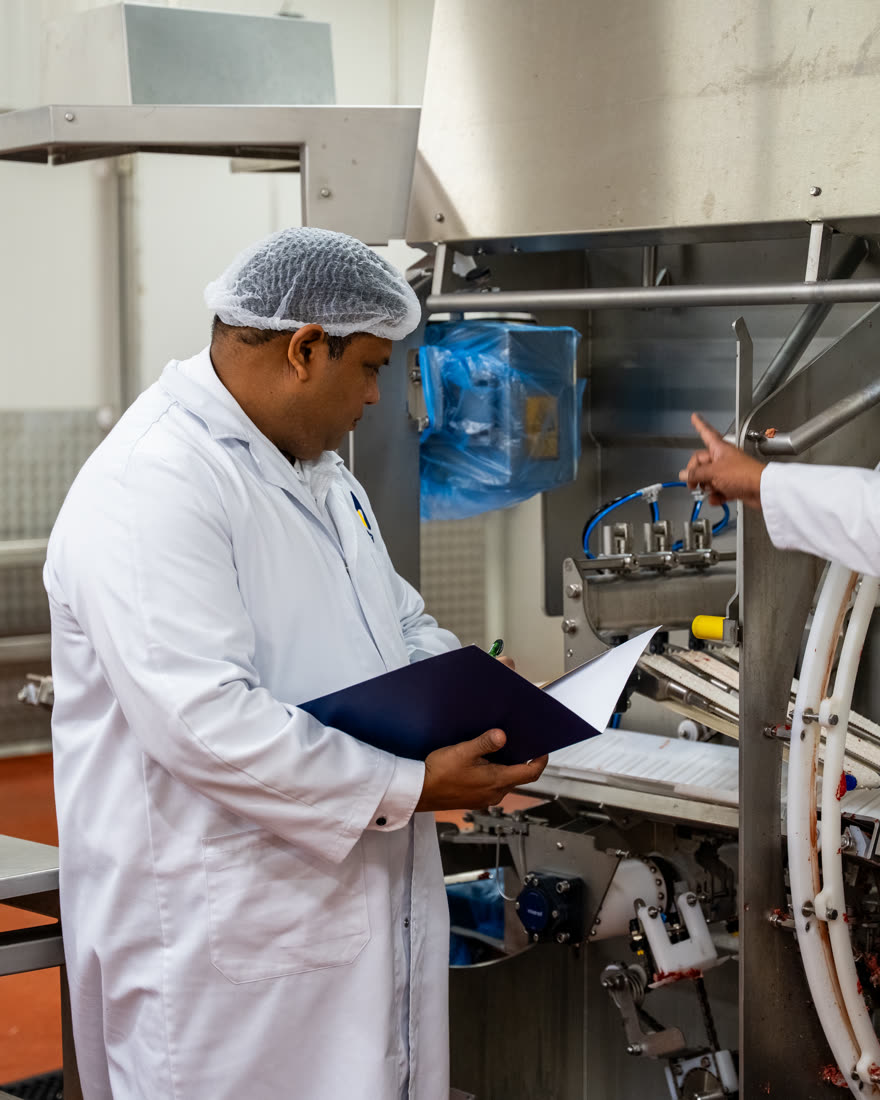
- Proactive QA Established rigorous audit preparation and documentation systems.
The Measured Impact
100%
Audit Ready
Always prepared with full compliance docs
-50%
Production Downtime
Reduced massively through scheduling
Max
Staff Productivity
Staff focus shifted strictly to production

Free EBook Download
Read The Document Many Foodpreneurs Wish They Had.
We've compiled every hard lesson, every sanitation checklist, and the exact 90-day strategy we use to prepare facilities for top-tier retail audits. Skip the expensive mistakes.
- → The exact protocols to satisfy Coles & Woolworths auditors.
- → How to transition production staff out of cleaning roles safely.
Industry-Specific Solutions.
Our professional cleaning teams are trained to meet the unique requirements of various food production environments.

Meat Processing
Navigating High-Risk Contamination Zones
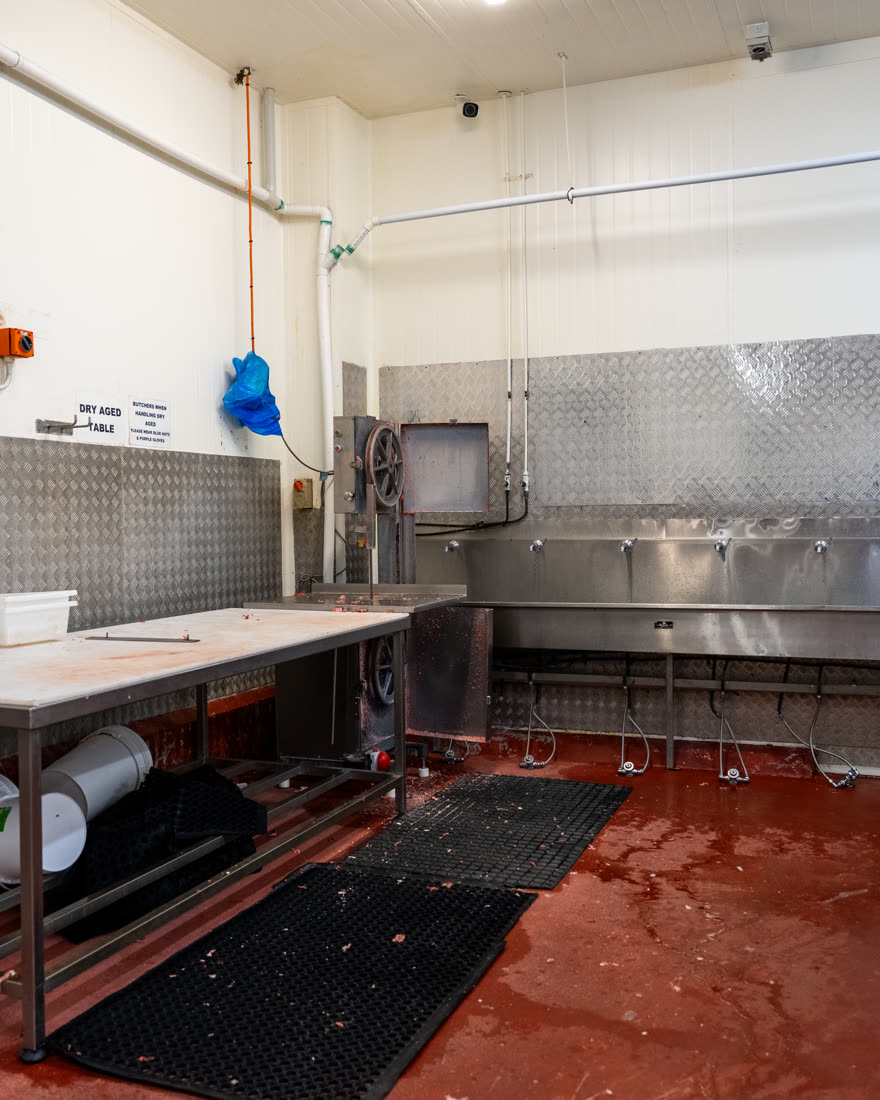
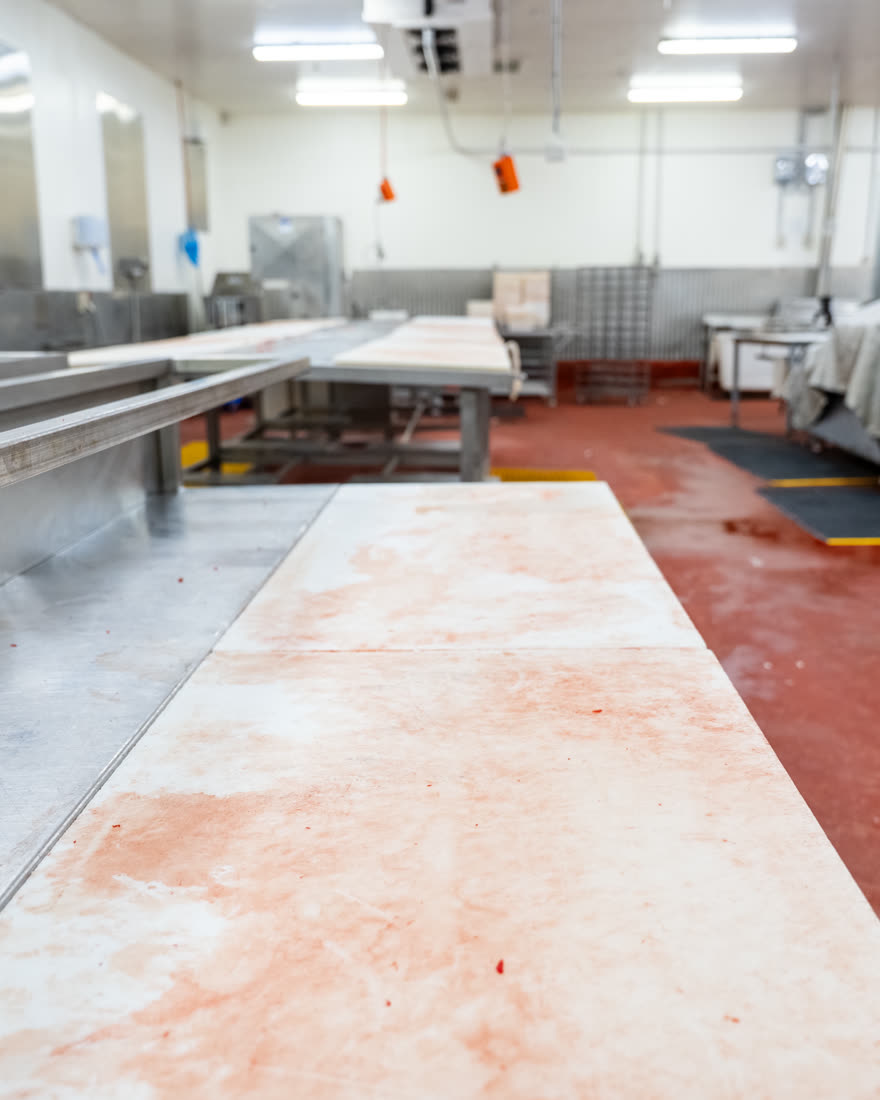
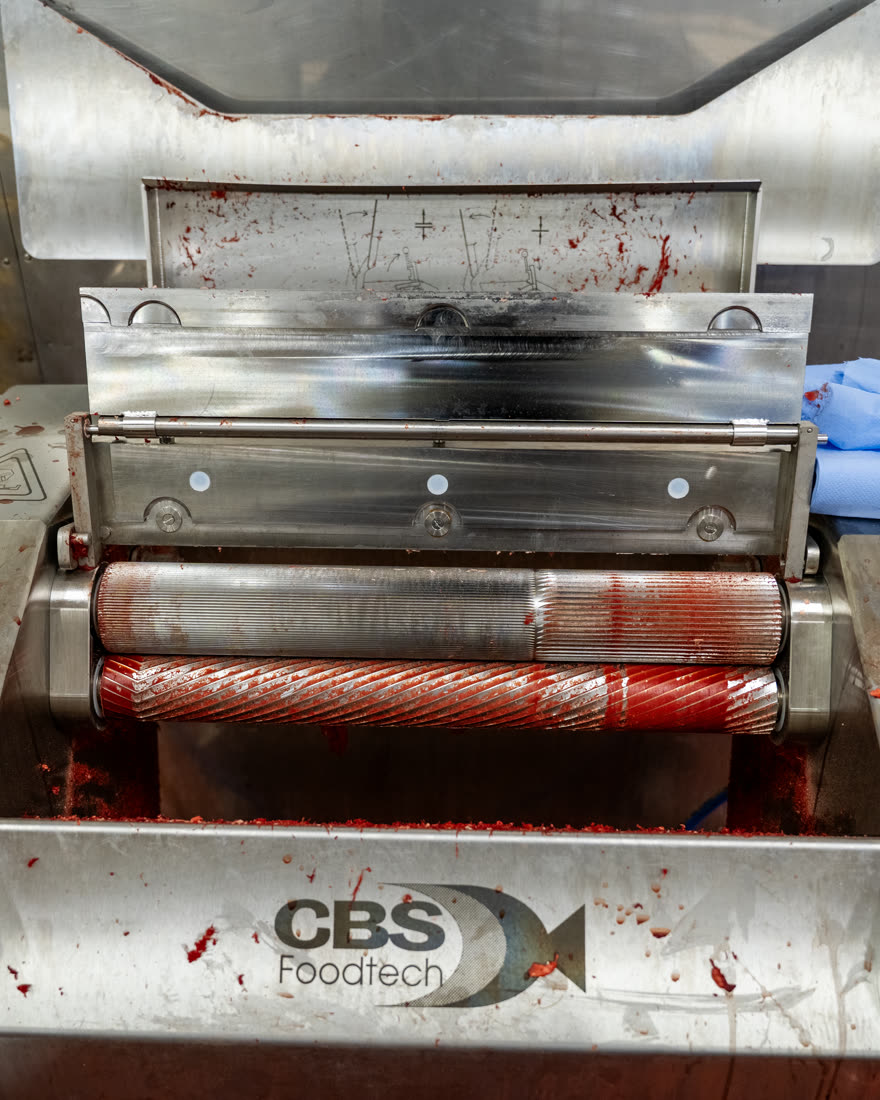
Meat processing facilities have zero tolerance for error. The inherent risk from pathogens like Salmonella and E. coli, combined with heavy build-up of fats and proteins in abattoirs, boning rooms, and on equipment, creates a constant compliance challenge. Effective sanitation must address both microbial threats and cross-contamination between raw and finished areas.

Food Manufacturing
Comprehensive Sanitation for Diverse Production Lines
From mixing vats to ovens, conveyors, and packaging machinery, your facility is a complex ecosystem. Each type of food soil—be it sugars, oils, starches, or powders—requires a specific sanitation protocol. Managing these diverse requirements while maintaining production schedules is a significant operational challenge.
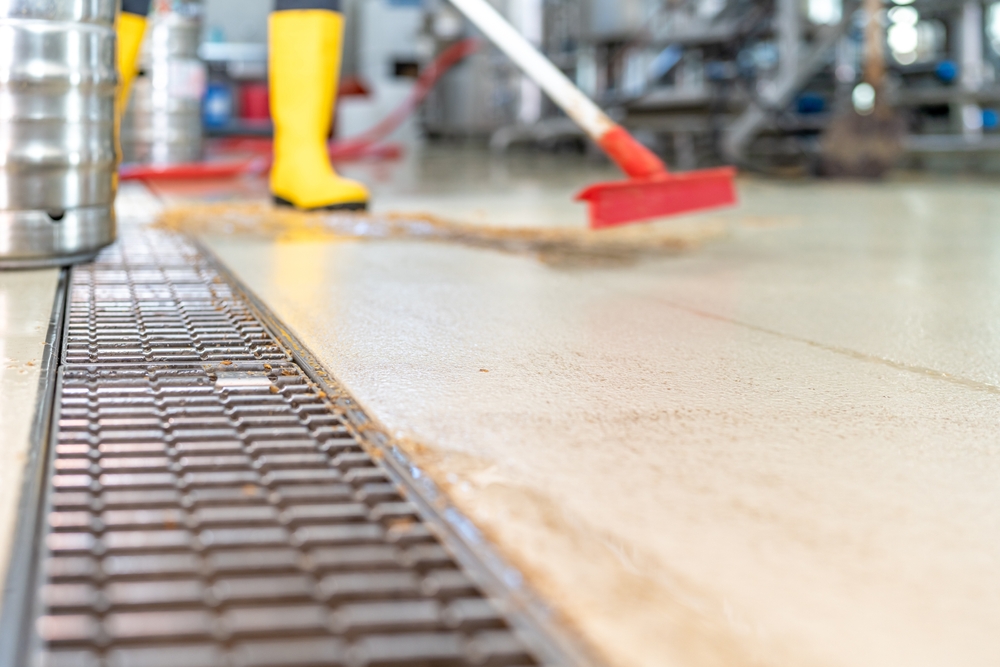
Brewery
Preserving Flavour and Brewing Integrity
A brewery's reputation rests on the quality and consistency of its product. The primary challenge is the complete elimination of wild yeast, mould, and bacteria from fermentation vessels, lines, and tanks. Even microscopic residue can introduce off-flavours, spoil entire batches, and compromise the unique character you've worked hard to create.
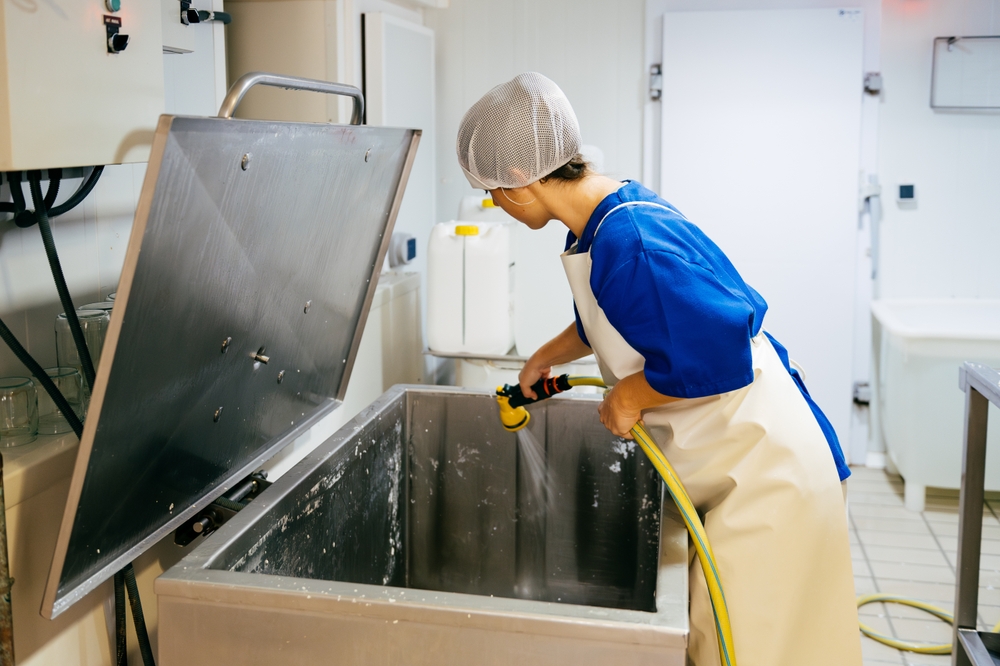
Dairy
Combating Spoilage and Biofilm Risks
Dairy products are exceptionally sensitive to spoilage. The critical challenge is preventing invisible biofilm growth and completely removing stubborn milkstone deposits within processing lines, pasteurisation equipment, and storage tanks. This requires a technical approach like dry cleaning that goes far beyond surface-level cleaning to ensure product safety and shelf life.
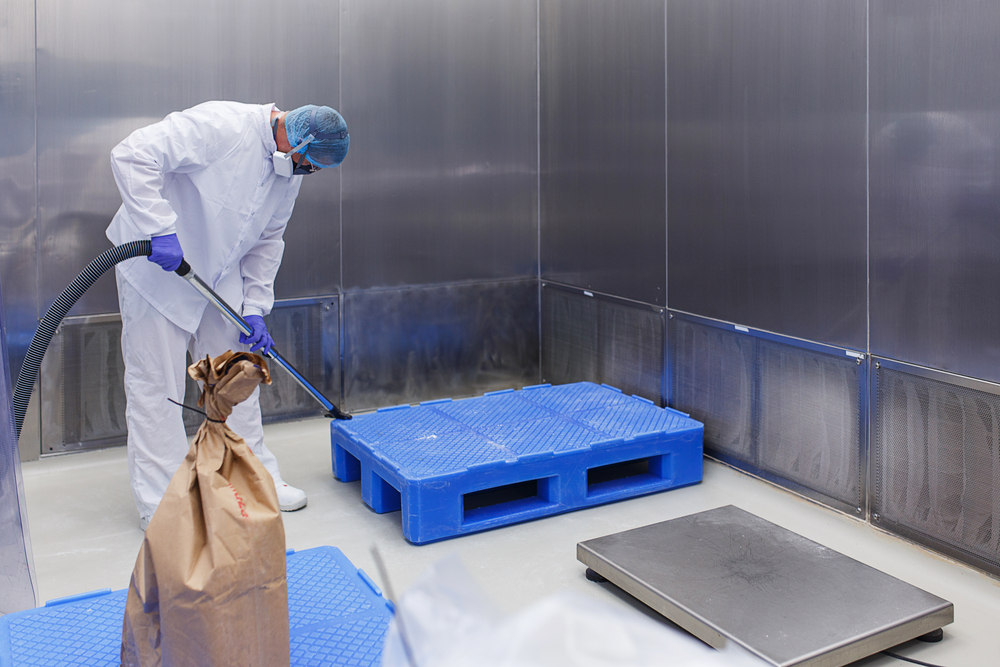
Packing Plants
Maintaining the Final Line of Defence
As the last touchpoint before your product reaches the consumer, the packing environment is your final quality gate. The challenge is meticulously controlling dust, debris, and potential allergens on conveyor systems, packaging machinery, and environmental surfaces. This final sanitation step is crucial to prevent last-minute contamination and protect the integrity of your sealed product.
NMPS Food Group.
Achieving Operational Excellence in Multi-Product Manufacturing
Emera Facility Services has been a reliable and professional partner for us. Their team understands the strict hygiene and compliance requirements in food manufacturing, and they've consistently delivered high standards across our sites.
— John Fotiadis
General Manager at NMPS
The Challenge.
NMPS Food Group faced increasingly complex cleaning and compliance requirements across their multi-unit manufacturing facility.
They required an agile partner capable of maintaining uniform hygiene standards as operations expanded, necessitating prompt support for unexpected cleaning challenges without disrupting time-sensitive production schedules across varying product types including poultry, meat, and plant-based items.
The Solution.
Emera delivered a flexible, responsive cleaning program that scaled effortlessly with NMPS's market-leading operations.
- Adaptive Multi-Zone Protocols Customised cleaning approaches deployed seamlessly across different production areas.
- Flexible Scheduling Perfectly aligned cleaning operations around production schedules to systematically minimise downtime.
- Rapid Response Dedicated teams providing prompt, agile support whenever unexpected cleaning needs arose.
The Measured Impact
100%
Compliance Confidence
Consistently meets strict HACCP requirements
24/7
Responsive Partnership
Immediate response for uninterrupted schedules
Max
Operational Excellence
Measurable impact on facility operations
Common Questions
Why does specialised food factory cleaning reduce production downtime by up to 67%?
How does HACCP-certified cleaning ensure we pass food safety audit without the stress?
How does professional food manufacturing cleaning protect us from product recalls?
What makes HACCP-certified cleaners different from regular commercial cleaning services?
What types of cleaning agents do you use?
How does specialised equipment cleaning prevent biofilm and stubborn deposit buildup?
Why is documented cleaning verification critical for brand protection and insurance claims?
How do flexible scheduling options maximise production time compared to fixed cleaning shifts?
Start here
Let's Talk Scale.
Reach out directly to us. Let's arrange a time to review your facility's current bottlenecks and explore how professional sanitation unlocks capacity.


Schedule assessment
Book your facility review
Trusted by Australia's favourite food brands